The Ultimate Guide to HD HUD Technology: Revolutionizing Modern Driving
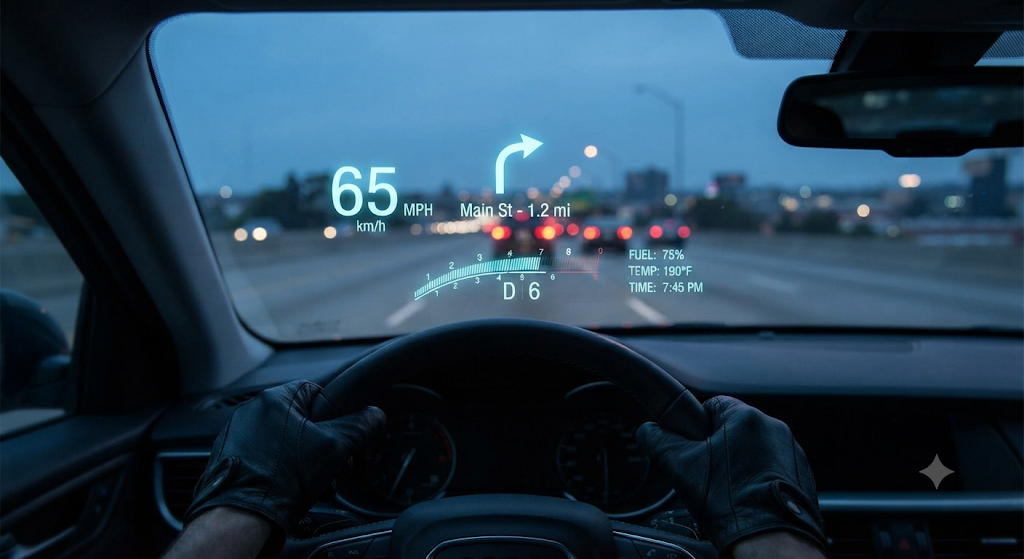
Imagine cruising down a fast-moving highway at night, keeping your eyes completely fixed on the asphalt ahead, yet instantly knowing your exact speed, fuel status, and upcoming GPS turns. This isn’t a scene straight out of a sci-fi blockbuster; it is the everyday reality made possible by an hd hud (high-definition head-up display).
As modern vehicles transform into smart devices on wheels, how we consume vital driving data is shifting dramatically. Integrating a high-definition head-up display into your daily commute is no longer just a luxury reserved for high-end luxury sports cars—it is fast becoming a standard safety essential for drivers everywhere.
What Exactly Is an HD HUD?
At its core, a head-up display (HUD) is any transparent electronic screen or projector that presents data directly in a user’s natural field of vision. When you upgrade to an HD HUD, you introduce high-definition optics, crisp resolution, and brilliant projection clarity into the mix.
Instead of forcing you to glance down at your dashboard instrument cluster—which takes your eyes off the road for crucial fractions of a second—an HD HUD projects metrics like speed, engine RPM, battery voltage, and turn-by-turn navigation directly onto your windshield or a specialized combiner lens.
- Visual Collimation: Advanced systems use optical lenses to make projected light rays parallel, tricking your eyes into focusing at optical infinity so you don’t have to constantly refocus between the road and the screen.
- Eliminating Blind Spots: By keeping your head up, your reaction times to sudden hazards outside the vehicle improve drastically.
Why Every Modern Vehicle Needs a High-Definition Head-Up Display
The transition from traditional dashboard gauges to advanced display systems comes with massive safety and convenience perks. Here is why tech-savvy drivers and auto enthusiasts are making the switch:
1. Minimizing Cognitive Distraction
Every time you look down at a dashboard or glance sideways at a center infotainment touchscreen to check your speed, you drive “blind” for a brief moment. An hd hud cuts down this cognitive switching cost by keeping critical metrics floating right where your eyes naturally rest.
2. Crystal-Clear Visibility in All Weather Conditions
Older projection units often washed out completely under bright sunlight. Modern high-definition variants utilize ultra-bright light-emitting components, auto-brightness ambient sensors, and anti-glare filtering to ensure sharp legibility whether you are driving through glaring midday desert sun or pitch-black midnight rain.
3. Real-Time Smart Diagnostics and Safety Alerts
Beyond simple speedometers, modern aftermarket and OEM HD HUD units connect seamlessly via OBD2 ports or smartphone Bluetooth configurations. They can flash instant warnings for:
- Engine overheating (water tank temperature spikes)
- Alternator or battery voltage drops
- Speed limit infractions and sudden traffic cameras
- Fatigue driving reminders for long road trips
Choosing and Installing Your Automotive Display System
If your car didn’t roll off the factory floor equipped with a built-in windshield projector, don’t worry. Setting up an aftermarket hd hud unit is a surprisingly straightforward weekend DIY project.
- Check OBDII Compatibility: Most plug-and-play digital speedometers and projectors work seamlessly with vehicles manufactured after 2008 that support standard diagnostic ports.
- Placement and Reflector Films: Clean your front windshield thoroughly, apply the transparent reflection film (if required by your specific kit), and mount the compact projector base onto your dashboard securely.
- Cable Management: Route the power cable cleanly along your dashboard trim down to the footwell plug or fuse box to keep your cabin looking sleek and uncluttered.
Frequently Asked Questions
What does HUD stand for in technology?
HUD stands for Head-Up Display. It describes any technology that projects visual data into a user’s direct line of sight so they can keep their head up while monitoring critical information.
Will an aftermarket HD HUD drain my car battery?
Most high-definition units feature smart power management systems. They automatically power on when your car engine starts and shut down completely when the ignition turns off, preventing any parasitic battery drain.
Do I need special windshield glass for a projection HUD?
While factory-installed HUD systems require a specialized laminated windshield with a wedge-shaped PVB interlayer to prevent ghosting images, aftermarket HUD kits typically include a small polarized reflection film that you stick onto a standard windshield for crystal-clear results.
Conclusion
Embracing an hd hud setup is one of the smartest, most cost-effective ways to modernize your driving experience. By blending fighter-pilot situational awareness with everyday vehicle telemetry, these transparent displays drastically reduce distraction and elevate your road safety.
Ready to upgrade your commute? Dive deeper into our related tech guides to find the perfect plug-and-play dashboard projector for your specific make and model!
Also Visit My Entertainment Website: hdmovieshub
Related Article

Understanding Online Casino Game Mechanics Through an M88 Platform Review
Can a Facelift Really Help You Look Years Younger in Dubai?