
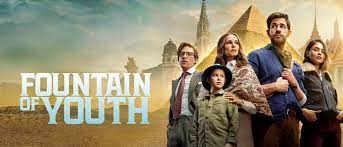
Fountain of Youth (2025) – Complete Review – Mallumv
Throughout history, the idea of a Fountain of Youth has captured the imagination of humanity — a mystical source of water capable of restoring youth, health, and vitality indefinitely. This mythical concept has been referenced in countless myths, legends, and literature, symbolizing mankind’s relentless pursuit to conquer aging and mortality.
Fast forward to 2025, the notion of the Fountain of Youth is no longer confined to fantasy and folklore but has evolved into a tangible pursuit through cutting-edge science, biotechnology, and wellness innovation. This article explores the modern interpretation of the Fountain of Youth, examining the scientific advances, societal implications, and ethical debates surrounding humanity’s pursuit of extended youthfulness.
Historical Context: Origins of the Fountain of Youth Legend
Ancient Myths and Legends
The story of the Fountain of Youth can be traced back to various ancient civilizations:
- Mesopotamian Mythology: Early legends described waters that could rejuvenate the weary traveler.
- Greek and Roman Lore: Tales of gods and magical springs offering immortality or restored youth.
- Spanish Exploration: Perhaps most famously, Spanish explorer Juan Ponce de León’s quest in the 16th century was linked to the search for a fountain said to restore youth, fueling centuries of fascination.
Symbolism and Cultural Impact
The Fountain of Youth has served as a powerful metaphor for:
- The human desire to escape death.
- The idealization of youth as a symbol of beauty, vitality, and potential.
- The ethical and philosophical questions around life extension.
The Science Behind Aging: Why Do We Age?
Biological Mechanisms of Aging
To understand the modern Fountain of Youth, one must grasp the biological processes behind aging:
- Cellular Senescence: Over time, cells lose their ability to divide and function effectively.
- Telomere Shortening: Protective caps on chromosomes shorten with each cell division, leading to aging cells.
- Oxidative Stress: Accumulation of free radicals causes cellular damage.
- Genetic Factors: Certain genes influence longevity and the aging process.
- Epigenetics: Environmental factors can alter gene expression, affecting aging.
Modern Research on Aging
Scientists today focus on understanding these processes to slow or even reverse aging, rather than merely treating symptoms of age-related diseases.
Fountain of Youth (2025): The Modern Interpretation
Biotechnology and Regenerative Medicine
In 2025, advances in biotechnology have brought the dream of a Fountain of Youth closer to reality through:
- Stem Cell Therapy: Using stem cells to regenerate damaged tissues and organs.
- Gene Editing: Technologies like CRISPR allow for the correction of genetic mutations associated with aging.
- Senolytics: Drugs designed to selectively remove senescent cells, reducing inflammation and rejuvenating tissues.
- Telomerase Activation: Experimental therapies to maintain or extend telomere length.
Anti-Aging Drugs and Supplements
Pharmaceutical companies and wellness brands have developed compounds that target aging pathways, such as:
- Metformin: Originally a diabetes drug, it shows potential for lifespan extension.
- NAD+ Precursors: Boost cellular energy and repair.
- Rapamycin: An immunosuppressant with anti-aging properties.
- Natural Extracts: Like resveratrol and curcumin, which provide antioxidant benefits.
Personalized Medicine and AI
Artificial Intelligence is used to tailor anti-aging treatments based on individual genetic and metabolic profiles, enhancing efficacy and safety.
The Wellness Industry: Fountain of Youth as Lifestyle
Diet and Nutrition
Nutritional science plays a critical role in maintaining youthfulness through:
- Caloric Restriction: Studies suggest that reducing caloric intake can slow aging.
- Intermittent Fasting: Promotes cellular repair processes.
- Anti-inflammatory Diets: Reducing chronic inflammation linked to aging.
Fitness and Physical Activity
Exercise remains one of the most accessible and proven methods to promote longevity:
- Strength Training: Maintains muscle mass.
- Cardiovascular Exercise: Supports heart health.
- Mind-Body Practices: Yoga, tai chi, and meditation reduce stress and promote hormonal balance.
Psychological and Social Factors
Mental health, social engagement, and purpose in life contribute significantly to aging well, emphasizing a holistic approach to the modern Fountain of Youth.
The Role of Technology in the Fountain of Youth Movement
Wearables and Health Monitoring
Advanced devices track biomarkers in real-time, enabling proactive interventions to maintain health.
Telemedicine and Virtual Care
Remote access to specialists ensures timely management of age-related conditions.
Regenerative Technologies
- 3D Bioprinting: Fabrication of organs and tissues for transplantation.
- Nanotechnology: Targeted delivery of drugs to repair cellular damage.
Ethical and Social Implications
Accessibility and Inequality
Who will have access to these life-extending technologies? There are concerns about:
- Economic Disparities: Wealthier individuals might benefit disproportionately.
- Global Inequality: Developed nations may advance faster than poorer countries.
Overpopulation and Resource Management
Extended lifespans could exacerbate issues of resource depletion, environmental impact, and population control.
Philosophical Questions
- What defines a natural lifespan?
- Should humans interfere with mortality?
- How will prolonged life affect society, relationships, and personal identity?
Future Prospects: What Lies Beyond 2025?
Emerging Research
Fields such as synthetic biology, epigenetic reprogramming, and quantum biology hold promise for deeper breakthroughs.
Integration with AI and Robotics
Combining human biological enhancements with AI could redefine the boundaries of human potential and aging.
The Vision of Immortality?
While immortality remains a speculative concept, significant extension of healthy lifespan is increasingly achievable, reshaping how humans experience life, death, and legacy.
Conclusion
The Fountain of Youth in 2025 symbolizes the fusion of ancient myth with contemporary science and technology. While humanity may not yet possess a literal spring that restores youth, modern innovations offer unprecedented opportunities to slow, halt, or even reverse aspects of aging.
This quest raises profound scientific, ethical, and societal questions that will shape the future of medicine and humanity itself. Whether the dream of eternal youth is fully attainable remains uncertain, but the journey towards it continues to inspire hope, innovation, and reflection on what it means to live well and age gracefully.
Related Article

MyFlixer 2026: Movies, Features & Safe Streaming Options
