
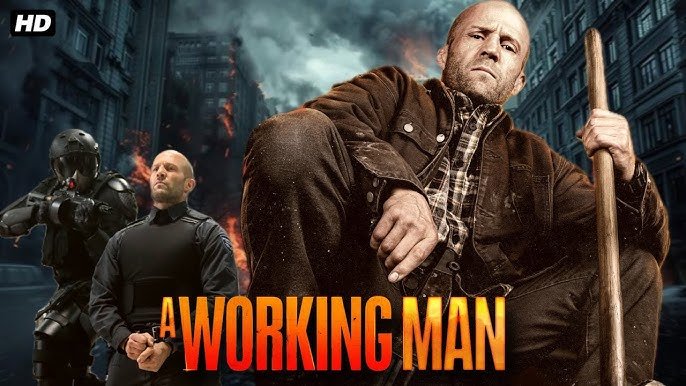
A Working Man (2025) – Complete Review – Mallumv
The concept of “A Working Man” has evolved significantly over the past century, shaped by rapid technological advancements, shifting economic landscapes, and changing social dynamics. By 2025, the working man embodies more than just a provider or laborer—he represents adaptability, innovation, and resilience amid an increasingly complex world.
This article explores what it means to be a working man in 2025. It covers the defining characteristics, challenges, and opportunities faced by men in the workforce, along with the broader implications for society, culture, and family life. Through this comprehensive analysis, we will delve into the transformations in labor, identity, and the balance between work and life in the modern era.
Defining the Working Man in 2025
Historical Context
Historically, the “working man” was often seen as the backbone of the industrial workforce—a blue-collar laborer, a factory worker, or a craftsman engaged in manual labor. The archetype was closely linked with physical strength, endurance, and a steady, often lifelong commitment to a single trade or industry.
However, the late 20th and early 21st centuries witnessed seismic shifts. Automation, globalization, and the rise of the knowledge economy redefined the nature of work itself. By 2025, the working man is less about physical toil and more about intellectual engagement, technological savvy, and emotional intelligence.
Characteristics of the 2025 Working Man
- Technologically adept: Familiar with digital tools, software, and automated systems.
- Lifelong learner: Constantly upgrading skills to stay relevant.
- Flexible worker: Comfortable with remote work, freelancing, and gig economy roles.
- Emotionally aware: Embraces mental health awareness and work-life balance.
- Socially responsible: Conscious of ethical practices and environmental sustainability.
The Economic Landscape for the Working Man
Shifts in Employment Patterns
By 2025, traditional employment models have shifted dramatically. The rise of automation and artificial intelligence has displaced many manual jobs, while creating new opportunities in tech-driven sectors.
- Gig Economy and Freelancing: Increasing numbers of men engage in flexible, freelance roles. This independence offers freedom but often lacks job security and benefits.
- Remote Work Revolution: Fueled by technological advances and the aftermath of global disruptions, remote work is now mainstream, affecting how working men structure their lives.
- Hybrid Roles: Many combine multiple part-time or freelance roles, balancing income streams while pursuing personal projects or education.
Income Disparity and Economic Challenges
Despite technological progress, income disparity remains a critical issue:
- Wage Stagnation: In many traditional sectors, wages have stagnated, placing pressure on working men to seek additional income sources.
- Rising Cost of Living: Inflation and housing costs outpace wage growth, particularly in urban centers.
- Job Polarization: High-skill, high-wage jobs grow alongside low-wage, low-skill jobs, leaving a shrinking middle.
The Impact of Automation and AI
Automation has transformed industries:
- Job Displacement: Routine manual and clerical tasks are largely automated.
- Job Creation: New roles in AI management, machine maintenance, data analysis, and digital marketing emerge.
- Need for Reskilling: Many working men must adapt by acquiring new skills, often requiring access to affordable education.
The Social and Cultural Dimensions
Changing Gender Roles and Expectations
The working man of 2025 navigates a world where traditional gender roles are increasingly challenged.
- Shared Domestic Responsibilities: Men participate more actively in childcare and household tasks.
- Redefining Masculinity: Emotional expression, vulnerability, and mental health are less stigmatized.
- Equality and Diversity: Workplaces emphasize inclusivity, impacting how men relate to female colleagues and diverse teams.
Work-Life Balance and Mental Health
The blurred lines between work and home life bring new challenges:
- Remote Work Isolation: While flexible, remote work can cause loneliness and burnout.
- Mental Health Awareness: Increasing recognition of stress, anxiety, and depression in working men prompts more open conversations and support systems.
- Flexible Scheduling: Employers adopt flexible hours to accommodate personal and family needs.
Technology and the Working Man
Digital Literacy and Skills
By 2025, digital literacy is no longer optional. The working man must:
- Master basic software tools and communication platforms.
- Understand cybersecurity basics to protect personal and professional data.
- Engage with emerging tech like AI, virtual reality (VR), and blockchain in certain sectors.
Automation and Collaborative Robotics
- Human-Robot Collaboration: Robots handle repetitive tasks, allowing men to focus on creative and strategic roles.
- Upskilling Requirements: Training in robotics maintenance and programming becomes essential in manufacturing and logistics.
The Role of Artificial Intelligence
AI tools augment human work by:
- Automating data analysis and reporting.
- Assisting with decision-making through predictive analytics.
- Enhancing customer service via chatbots and virtual assistants.
Education, Training, and Lifelong Learning
Evolving Education Models
Traditional degrees are supplemented or replaced by:
- Micro-credentials: Short, focused courses teaching specific skills.
- Online Learning Platforms: Accessible and flexible education options.
- Corporate Training Programs: Companies invest in continuous employee development.
Importance of Soft Skills
Technical skills alone are insufficient. Emotional intelligence, communication, and adaptability are vital for success.
Overcoming Barriers
Access to affordable education remains uneven, particularly for working men in lower-income brackets or rural areas. Bridging this gap is crucial.
The Family and Community Life of a Working Man
Balancing Professional and Personal Roles
Working men in 2025 are expected to contribute equally to family life:
- Active parenting and nurturing roles.
- Supporting partners’ careers and household management.
- Prioritizing quality time despite busy schedules.
Community Engagement and Social Support
- Participation in community activities and local governance.
- Support networks for fathers and working men, including peer groups and mental health resources.
Challenges Facing the Working Man in 2025
Economic Uncertainty
- Job insecurity due to automation.
- Navigating a gig economy without traditional benefits.
Technological Displacement
- Pressure to constantly learn new technologies.
- Risk of being left behind due to lack of skills or access.
Social and Psychological Pressure
- Managing expectations around masculinity and emotional expression.
- Combating loneliness and mental health issues exacerbated by isolated work.
Work-Life Integration
- Difficulty separating work from personal life in a digitally connected world.
- Burnout from overworking or juggling multiple jobs.
Opportunities and the Path Forward
Embracing Flexibility and New Work Models
- Capitalizing on remote and freelance work opportunities.
- Pursuing passion projects and entrepreneurship.
Investing in Continuous Learning
- Leveraging online education to stay competitive.
- Building networks and mentorship relationships.
Advocating for Policy and Cultural Change
- Supporting labor protections for gig workers.
- Promoting mental health resources and family-friendly workplace policies.
Harnessing Technology for Good
- Using AI and automation to reduce menial work.
- Enhancing creativity and innovation through tech collaboration.
Conclusion
The working man of 2025 is a dynamic figure, far removed from the static industrial archetype of the past. He is an adaptive, skilled, and socially conscious individual who must navigate a world transformed by technology, economic shifts, and evolving cultural norms.
While challenges such as job insecurity, mental health struggles, and economic inequality persist, there are also unprecedented opportunities for growth, learning, and self-expression. Success for the working man in 2025 lies in embracing flexibility, continuous education, and a balanced approach to life and work.
Related Article

Bets10 in Turkey: A Practical Guide to Online Betting and Account Access

MyFlixer 2026: Movies, Features & Safe Streaming Options
