M.S Dhoni The Untold Story (2016) – Complete Review – Mallumv
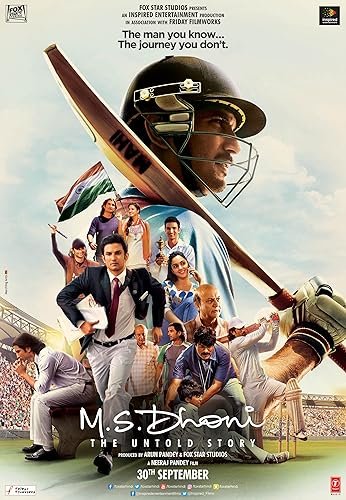
Released in 2016, M.S. Dhoni: The Untold Story is a biographical sports drama based on the life of Indian cricket legend Mahendra Singh Dhoni. Directed by Neeraj Pandey and starring Sushant Singh Rajput in the titular role, the film chronicles the journey of a small-town boy from Ranchi who went on to become one of the most successful captains in the history of international cricket.
More than just a sports movie, this cinematic portrayal captures the emotional, psychological, and personal struggles behind the rise of a cricketing icon. With powerful performances, authentic storytelling, and a deep dive into Dhoni’s lesser-known life events, the film has cemented its place as one of the most inspirational films in Indian cinema.
The Genesis of the Film
Neeraj Pandey’s Vision
Neeraj Pandey, known for his realistic and gripping storytelling in films like A Wednesday and Special 26, took up the challenge of presenting the life of a living legend. His motivation was to showcase the human behind the icon — the failures, sacrifices, decisions, and moments that defined Dhoni’s destiny.
Involvement of M.S. Dhoni
Mahendra Singh Dhoni was actively involved in the making of the film. He provided detailed inputs, personal anecdotes, and even access to his personal life, helping the creators portray events with authenticity. However, Dhoni maintained that the film is about his journey and not a glorification of his achievements.
Casting and Performances
Sushant Singh Rajput as M.S. Dhoni
The late Sushant Singh Rajput delivered a performance that earned critical acclaim across the board. His preparation for the role was intense. He trained for months to master Dhoni’s distinctive helicopter shot, body language, and demeanor both on and off the field. Rajput’s portrayal was not a mere imitation; it was an embodiment of the man’s spirit, silence, leadership, and emotional depth.
Supporting Cast
- Kiara Advani played Sakshi Dhoni, offering a tender glimpse into Dhoni’s romantic and married life.
- Disha Patani as Priyanka Jha portrayed the young love story that ended in tragedy, a lesser-known chapter of Dhoni’s life.
- Anupam Kher as Pan Singh, Dhoni’s father, effectively depicted the tension between parental expectations and a child’s dreams.
- Rajesh Sharma, Kumud Mishra, and Bhumika Chawla added credibility and strength to the narrative with their seasoned performances.
Plot Summary and Structure
Early Life and Struggles
The movie opens in Ranchi, where a young Dhoni is more interested in football than cricket. His journey begins when coach Banerjee notices his wicket-keeping skills during a school match and encourages him to take up cricket seriously.
Despite his evident talent, Dhoni’s path is filled with obstacles — lack of resources, limited infrastructure in small towns, and his father’s insistence on job security. The movie shows how Dhoni, after initial local and district-level success, takes up a job as a ticket collector with the Indian Railways in Kharagpur, compromising his dreams temporarily.
Internal Conflict and Pursuit of Passion
This phase of the movie is emotional and introspective. Working mundane shifts, Dhoni trains during nights, striving to keep his cricket dream alive. The film delves into the psychological toll of sacrificing one’s passion for a stable life. Eventually, his frustration leads to a defining decision — to quit his job and pursue cricket full-time.
Rise to National and International Stardom
After quitting his job, Dhoni’s journey into domestic cricket and eventually the national team is depicted with attention to detail. His aggressive playing style, unorthodox technique, and leadership qualities begin to shine.
The movie captures his appointment as captain of the Indian cricket team, focusing on key moments like the 2007 ICC T20 World Cup victory and building up to the iconic 2011 ICC Cricket World Cup final.
Climax: The World Cup 2011
The climax is emotional and symbolic — Dhoni’s match-winning six in the World Cup final at Wankhede Stadium. The scene is shot with dramatic intensity, symbolizing not just a sporting victory but the culmination of years of struggle, belief, and resilience.
Themes and Symbolism
Dreams vs. Reality
One of the core themes of the film is the conflict between individual dreams and societal expectations. Dhoni’s journey highlights how most youth in India face pressure to opt for stable careers over unconventional paths.
The Silent Warrior
Unlike flamboyant sports heroes, Dhoni is portrayed as calm, collected, and strategic. The movie subtly explores how his introverted nature, patience, and ability to stay calm under pressure shaped his leadership style.
Loss and Love
The subplot involving Priyanka Jha adds emotional depth. It showcases the human side of Dhoni, how personal loss affected him, and how he continued to remain strong in public.
Family and Support System
The film gives due importance to the support of Dhoni’s family and friends. Their sacrifices, belief, and at times conflicts, are integral to his success. This grounds the story in relatable realities for millions of Indians.
Technical Aspects
Direction
Neeraj Pandey’s direction stands out for its emotional maturity and restraint. He avoids melodrama, focusing instead on realism and underplayed moments that resonate deeply with the audience.
Screenplay
The screenplay weaves cricketing events with personal milestones in Dhoni’s life, creating a narrative that feels organic and seamless. The non-linear storytelling helps maintain suspense despite being a biopic of a well-known personality.
Cinematography
Sudhir Palsane’s cinematography captures the essence of small-town India and high-pressure international cricket stadiums with equal finesse. The cricket scenes are realistic, giving viewers a sense of being part of the match.
Editing
The editing by Shree Narayan Singh maintains a steady pace for a nearly three-hour-long film. Flashbacks, transitions, and emotional peaks are handled with skillful timing.
Music and Background Score
Composers Amaal Mallik, Rochak Kohli, and Tanishk Bagchi contribute a soulful and inspiring soundtrack. Songs like Kaun Tujhe, Besabriyaan, and Jab Tak became chartbusters, enhancing the emotional appeal of the film.
The background score by Sanjoy Chowdhury subtly complements the narrative, especially during tense and emotionally charged scenes.
Reception
Box Office Performance
The film was a commercial success, grossing over ₹200 crore worldwide. It became one of the highest-grossing Bollywood biopics of its time, reflecting Dhoni’s massive popularity and the strength of the film’s storytelling.
Critical Acclaim
Critics praised the film for its sincerity, performances, and emotional impact. Sushant Singh Rajput’s portrayal was universally lauded for its authenticity and depth. Neeraj Pandey’s direction was noted for steering clear of unnecessary dramatization, focusing instead on nuanced storytelling.
Audience Response
The audience connected deeply with the film, especially young Indians aspiring to break societal molds. It became an inspirational movie for students, athletes, and professionals alike, showing that success is possible through determination and resilience.
Cultural Impact and Legacy
Inspiration for a Generation
The film became a touchstone for youth empowerment. It conveyed that with hard work and belief, even a railway ticket collector from a small town can become a national icon.
Portrayal of Real-Life Heroes
The movie set a benchmark for sports biopics in India, demonstrating how real-life stories can inspire and entertain without resorting to sensationalism.
Sushant Singh Rajput’s Legacy
After the tragic death of Sushant Singh Rajput in 2020, the movie received renewed attention. Fans and critics revisited the film as a tribute to the actor’s dedication and passion. His performance in this film is considered one of his finest and most defining.
Criticism and Omissions
Lack of Controversial Elements
Some critics argued that the film avoided exploring controversies or challenges in Dhoni’s captaincy, such as his decisions during team selections or his retirement from Test cricket. This made the film seem too sanitized for some viewers.
Idealized Portrayal
While the film aimed to show Dhoni’s struggles, some felt it leaned too heavily on hero-worship, glossing over flaws or failures that could have added more balance to the narrative.
Conclusion
M.S. Dhoni: The Untold Story is more than a biopic — it’s a narrative of aspiration, grit, and destiny. It humanizes a cricketing giant, showing that behind the trophies and records lies a story of perseverance, sacrifice, and unwavering focus. The film succeeds in demystifying an enigmatic figure and presenting an emotional, relatable journey that resonates with people across age groups.
It stands as a testament to how cinema can not only entertain but also inspire. With a compelling story, exceptional performances, and heartfelt direction, M.S. Dhoni: The Untold Story remains one of the most significant Indian films of the 21st century — a fitting tribute to a man who taught a nation how to dream big and stay grounded.
Related Article

Joker: Folie a Deux (2024) – Complete Review – Mallumv

Den of Thieves 2: Pantera (2024) – Complete Review – Mallumv