
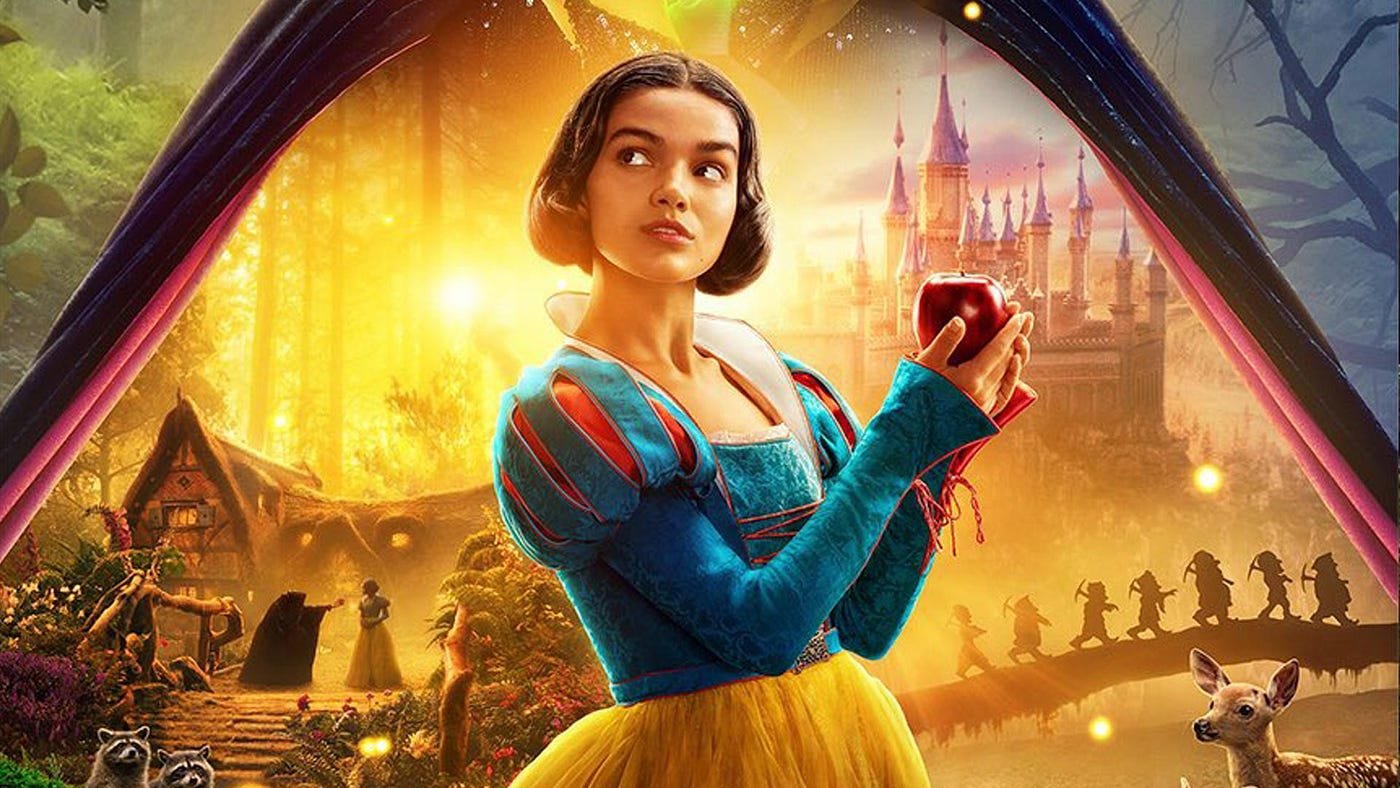
Snow White (2025) – Complete Review – Mallumv
The timeless tale of Snow White has been a cornerstone of popular culture for nearly a century, ever since Walt Disney’s 1937 animated classic pioneered the feature-length animation industry. Now, nearly 90 years later, Disney has taken a bold new step with its 2025 live-action adaptation of Snow White. As part of the studio’s broader strategy to reimagine its animated classics for contemporary audiences, Snow White (2025) represents both a homage to the past and a striking vision for the future.
This comprehensive article explores all facets of the 2025 film—from its conception and casting to its production, controversies, reception, and cultural impact.
The Legacy of Snow White
Historical Context of the 1937 Classic
The original Snow White and the Seven Dwarfs was not just a film; it was a revolution. Released in 1937, it was the world’s first full-length cel-animated feature film and Disney’s first animated feature. It set the standard for storytelling, music, and artistry, becoming a landmark achievement in cinema history.
The Cultural Impact
Snow White’s tale—based on the German fairy tale by the Brothers Grimm—introduced audiences to a wide-eyed princess, an evil queen, a magic mirror, and seven lovable dwarfs. The film has remained relevant through generations, inspiring countless adaptations, merchandise, theme park attractions, and scholarly analysis.
Reimagining a Classic: Why Now?
Disney’s Live-Action Trend
Over the past decade, Disney has successfully turned many of its animated classics into live-action spectacles, including Cinderella (2015), Beauty and the Beast (2017), Aladdin (2019), and The Little Mermaid (2023). Each project has attempted to balance fidelity to the source material with updates reflecting modern sensibilities.
Snow White as a Cultural Artifact
Given the historic importance of Snow White, Disney’s decision to reinterpret it in 2025 is both strategic and symbolic. It marks not only a tribute to the film that started it all but also an opportunity to reevaluate themes of gender, beauty, and power for a new era.
Casting Choices and Character Redesigns
Rachel Zegler as Snow White
Casting Rachel Zegler, a Colombian-American actress, as Snow White was both celebrated and criticized. On one hand, it signaled Disney’s commitment to inclusion and representation; on the other, it sparked debates about fidelity to the “fairest of them all” as envisioned in the original tale.
Zegler, best known for her breakout role in West Side Story (2021), brings a nuanced emotional depth to the character. Her casting is emblematic of a broader push to diversify traditionally Eurocentric fairy tale narratives.
Gal Gadot as the Evil Queen
Gal Gadot’s portrayal of the Evil Queen adds a layer of glamor and menace. Known for her role as Wonder Woman, Gadot’s performance blends regal poise with a chilling psychopathy. Her casting adds star power and redefines the villain with contemporary flair.
The Seven Companions
Perhaps the most controversial update involved the reimagining of the seven dwarfs. In the 2025 version, the characters are referred to as “magical companions” and represent a diverse ensemble in terms of race, gender, and physical ability. This move, while progressive, drew criticism from traditionalists and advocacy groups alike, leading to a polarized discourse on political correctness and artistic license.
Production and Direction
Director and Creative Vision
Directed by Marc Webb (The Amazing Spider-Man, 500 Days of Summer), Snow White (2025) fuses whimsical fantasy with grounded emotional storytelling. Webb’s vision emphasizes agency, courage, and inner strength, reinterpreting Snow White not just as a damsel in distress but as an emerging leader.
Screenwriting and Narrative Evolution
The screenplay was penned by Greta Gerwig and Erin Cressida Wilson, both known for their work in female-centered storytelling. Their script takes considerable liberties with the original narrative, introducing new plot points, character arcs, and thematic explorations. The Evil Queen’s backstory is fleshed out, and Snow White’s motivations are reframed to reflect autonomy and growth rather than passive virtue.
Filming and Visual Style
Principal photography took place in the U.K. and on sound stages in Los Angeles. The visual style blends practical sets with CGI landscapes, creating an immersive world that balances fairy tale aesthetics with realism. Costume design and makeup artistry draw inspiration from both medieval Europe and multicultural motifs, giving the film a unique visual identity.
Themes and Modern Interpretations
Empowerment and Identity
Unlike her animated predecessor, the 2025 Snow White is no longer waiting for a prince to rescue her. She is portrayed as a principled young woman who seeks to reclaim her kingdom from tyranny. This shift aligns with broader feminist narratives in media and addresses critiques that the original film presented outdated gender roles.
Vanity and Power
The film delves deeper into the Evil Queen’s obsession with beauty and power, offering a psychological exploration of her fears and insecurities. This adds complexity to a character who was previously a one-dimensional villain.
Diversity and Representation
From casting to character development, the film prioritizes inclusivity. It challenges conventional beauty standards and Eurocentric archetypes, presenting a Snow White who reflects global audiences. This is both a creative decision and a calculated response to evolving social dynamics.
Musical Score and Soundtrack
Original Songs and New Compositions
The 2025 version features original compositions by Benj Pasek and Justin Paul, the songwriting duo behind La La Land and The Greatest Showman. Several classic songs such as “Someday My Prince Will Come” and “Heigh-Ho” are either reimagined or replaced with new ballads and anthems.
Musical Direction and Tone
The musical score embraces orchestral grandeur with contemporary pop influences. Songs are used not just as narrative tools but as emotional expressions of character. Zegler’s vocal performances have been widely praised for their emotional resonance and technical excellence.
Marketing and Public Reception
Promotional Strategy
Disney launched a multi-platform promotional campaign including trailers, teaser posters, behind-the-scenes documentaries, and merchandise. Tie-ins with theme parks, toy lines, and streaming services further extended the film’s reach.
Social Media and Fan Reactions
Social media was both a boon and a battleground for Snow White (2025). While many applauded the film for its inclusivity and modern approach, others criticized it for straying too far from the source material. Hashtags trended both in support of and opposition to the project, highlighting the cultural divide it revealed.
Controversies and Debates
Cultural Authenticity vs. Modern Values
One of the biggest criticisms came from purists who felt the film diluted the original fairy tale. The casting of a Latina actress as Snow White and the reimagining of the dwarfs raised questions about cultural authenticity. Critics argued that such changes were performative rather than substantive.
Supporters countered that fairy tales are adaptable and should reflect the diversity of modern audiences. They argued that the 2025 film reclaims the narrative for a wider demographic and encourages more inclusive storytelling.
Accusations of “Wokeness”
The film faced backlash from conservative circles, who labeled it as “woke” and accused Disney of prioritizing social messaging over storytelling. This echoed criticisms faced by other recent Disney remakes and reignited debates about the role of entertainment in sociopolitical discourse.
Box Office Performance and Critical Reception
Domestic and International Earnings
Upon release, Snow White (2025) performed respectably at the box office, though not spectacularly. It opened to strong initial numbers but saw a decline after the second weekend, owing in part to mixed word-of-mouth and competition from other spring releases.
Internationally, the film performed better in markets receptive to diverse casting and inclusive narratives.
Critical Reviews
Critical reception was mixed-to-positive. Praise was directed at the performances of Zegler and Gadot, the musical numbers, and the visual design. However, critics were divided on the script’s departures from the original story and the effectiveness of its modern themes.
On aggregate sites, the film hovered around 70% approval—commendable, but not exceptional.
Awards and Nominations
Despite its divisiveness, Snow White (2025) received nominations in several technical categories, including Best Costume Design, Best Original Song, and Best Production Design. Rachel Zegler’s performance was also singled out for award-season attention, particularly among critics’ circles and youth-focused platforms.
Cultural Impact and Legacy
Changing the Disney Princess Archetype
Snow White (2025) contributes to the ongoing evolution of the Disney Princess brand. It signals a move away from romantic passivity and toward leadership, individuality, and resilience. Snow White is no longer merely “the fairest of them all,” but a symbol of transformation and courage.
Future Adaptations and Spin-Offs
Given the film’s high visibility and substantial investment, spin-offs or series extensions are possible. There are already rumors of a Disney+ limited series focusing on the Evil Queen’s origin or a musical stage adaptation.
Conclusion
Snow White (2025) is a film that dares to reimagine a sacred piece of cinematic history. It embraces inclusivity, modern storytelling, and emotional depth, even at the risk of alienating some segments of its audience. As with all adaptations, it walks the tightrope between reverence and reinvention.
Though not without its flaws, the film’s ambition and artistic bravery reflect a Disney that is increasingly willing to confront its legacy and shape it anew for the generations to come. Whether one sees it as a progressive triumph or a controversial overhaul, Snow White (2025) is undeniably a milestone in the evolving story of Disney and the fairy tales we continue to tell.
Related Article
Venom: The Last Dance (2024) – Complete Review – Mallumv

Sonic the Hedgehog 3 (2024) – Complete Review – Mallumv
